Aug 6, 2026
Dicer vs. Slicer Blades: Optimizing Precision in Industrial Food Processing
In the high-demand world of industrial food processing, the quality of your cut defines the quality of your product.
- What Are Dicer Blades? Dicer blades are engineered to transform food products into uniform cubes or small, consistent pieces. Typically installed in dicing machines or complex grid-style cutting systems, these blades work in synchronization to perform multi-dimensional cuts in a single operation. Key Applications: Meat & Poultry: Creating uniform cubes for stews, stir-frys, or ready-to-cook products. Fruits & Vegetables: Precision dicing for frozen food mixes and canned goods. Dairy: High-speed cheese dicing for the food service industry. Industrial Processing: High-volume lines requiring strict portion control. The Benefit: By ensuring a consistent cube size, dicer blades improve cooking uniformity, packaging efficiency, and final product presentation.
- What Are Slicer Blades? Slicer blades are designed to cut food products into precise slices of a specific thickness. Whether used in high-speed circular slicers or linear multi-blade systems, these blades prioritize surface quality and thickness consistency. Key Applications: Proteins: Slicing deli meats, poultry breasts, and delicate fish fillets. Dairy: Cutting large cheese blocks into retail-ready uniform slices. Produce: Slicing fruits and vegetables for snacks or pre-packaged salads. Portioning: Preparing consistent slices for further downstream processing. The Benefit: High-quality slicer blades reduce product "smearing" and waste, ensuring a clean aesthetic that appeals to consumers.
- Key Differences: Dicing vs. Slicing While both are essential to food processing, their mechanical roles differ: Geometry of Cut: Dicer blades focus on 3D shapes (cubes/rectangles) using grid systems. Slicer blades focus on 2D shapes (sheets/discs) with controlled thickness. Machine Configuration: Dicing often requires a cross-cut action, whereas slicing is usually a single-stroke or continuous rotary motion. Objective: Dicing is about volume and uniformity; slicing is about surface finish and thickness precision.
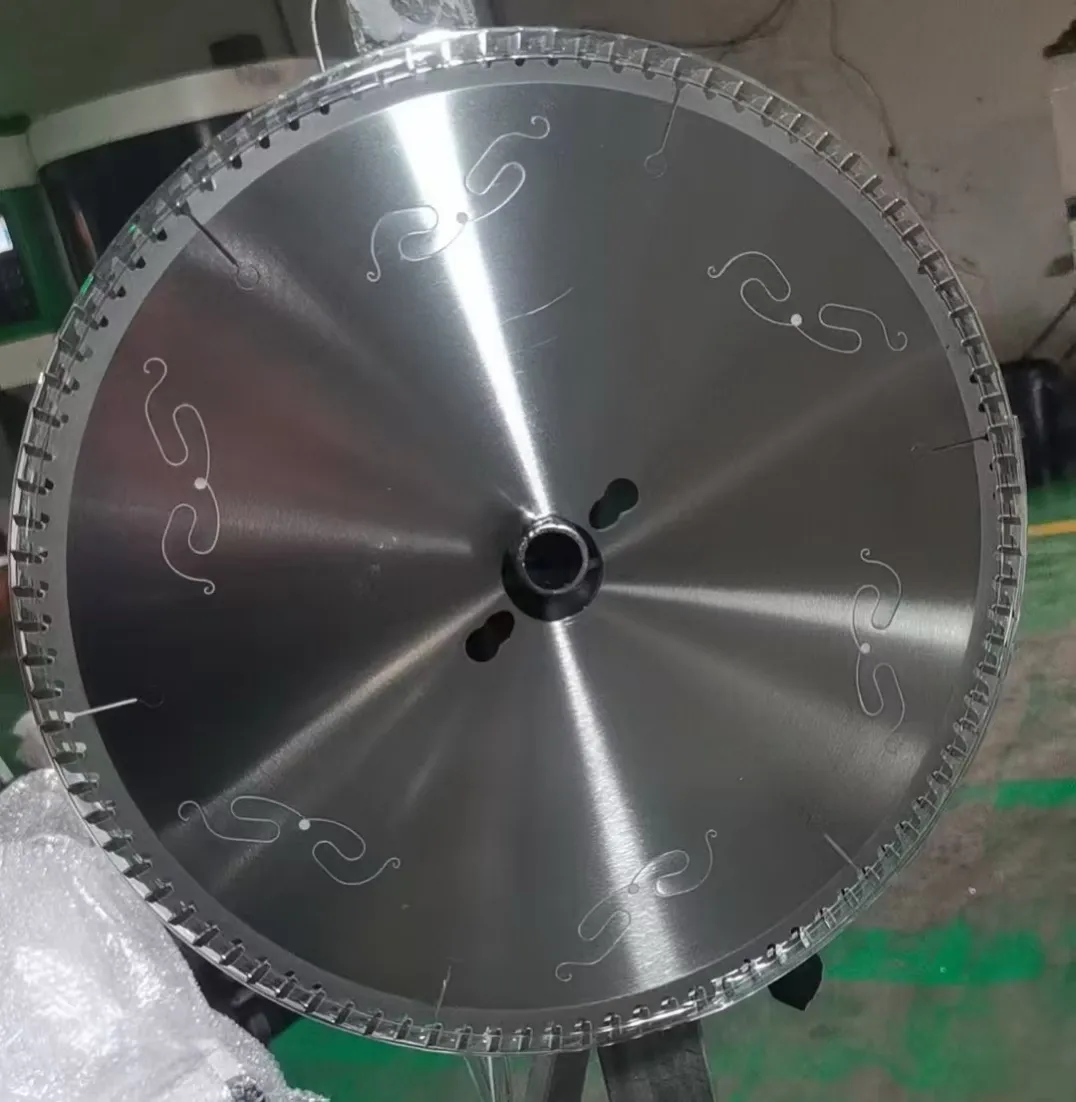
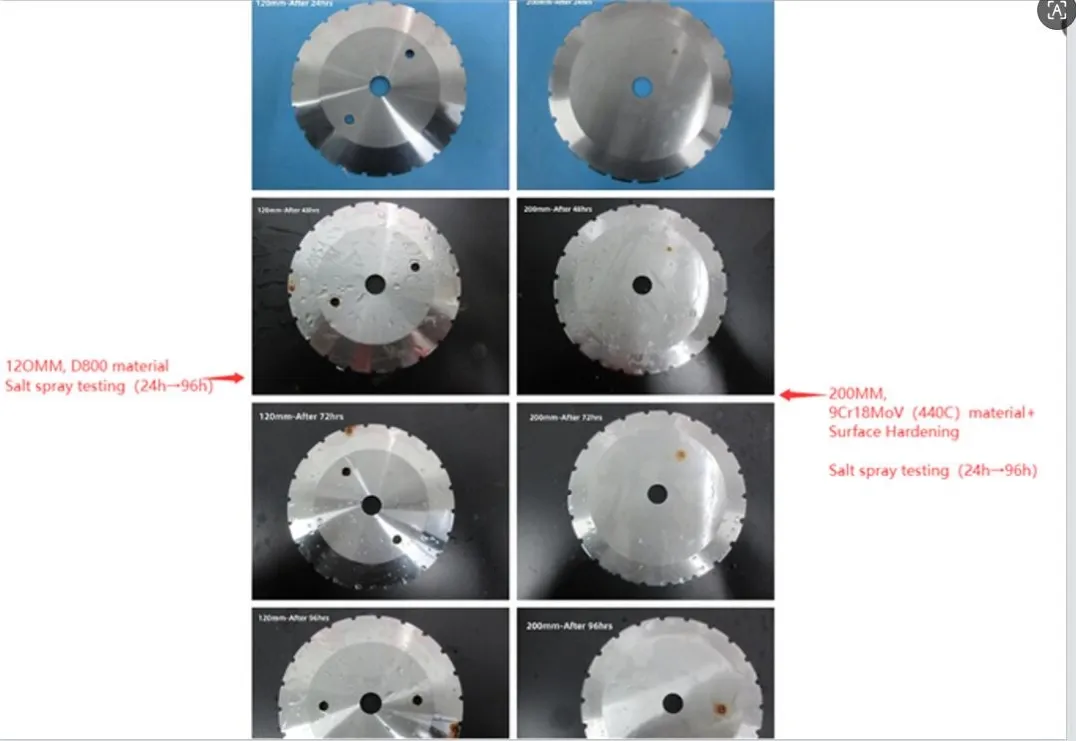
- Premium Materials for Maximum Durability At Zhu Global, we understand that food safety and blade longevity go hand-in-hand. Our blades are manufactured from premium, food-grade stainless steels, including: 1.4031 / 1.4021 AISI 420 / 440A Why Material Matters: Corrosion Resistance: Essential for high-moisture environments and frequent chemical cleaning. Edge Retention: High-carbon content ensures blades stay sharp longer, reducing downtime. Hygiene: Our blades feature finely polished surfaces to prevent product adhesion and bacterial buildup.
- How to Choose the Right Blade for Your Operation Selecting the ideal blade requires more than just matching a part number. Consider these factors: Product Texture: Is the food frozen, fresh, sticky, or fibrous? Target Dimensions: What are your exact tolerance requirements? Machine Compatibility: Does the blade meet OEM specifications for your specific dicing or slicing equipment? Production Speed: Will the blade maintain integrity under high-friction, high-speed conditions? Partner with Zhu Global for Custom Cutting Solutions The right blade doesn't just cut food—it cuts costs and increases yield. Zhu Global provides professional technical support and OEM solutions tailored to your specific machinery and production goals. Looking for high-precision dicer or slicer blades? Contact our technical team today for a consultation or request a quote for custom blade manufacturing.