Cold saw blades and fly saw blades
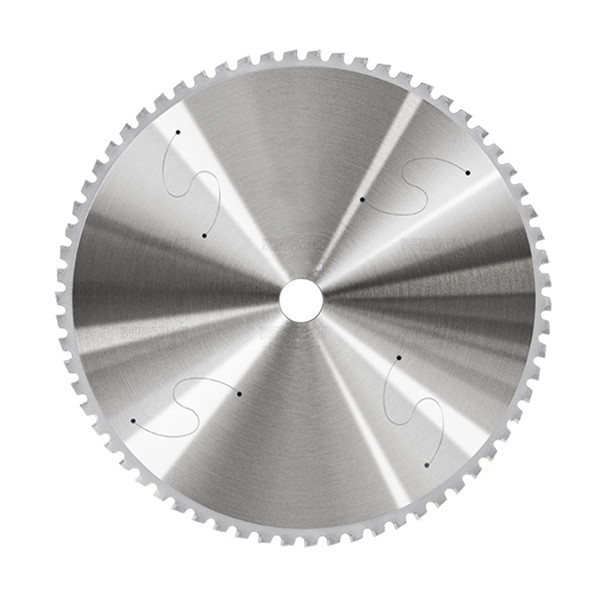
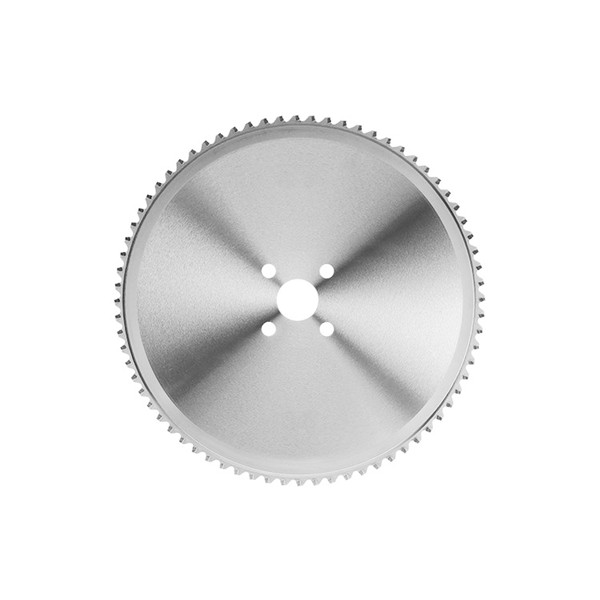
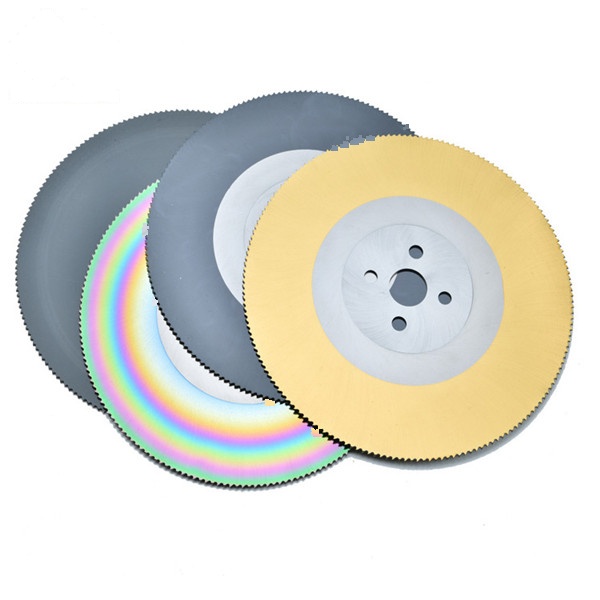
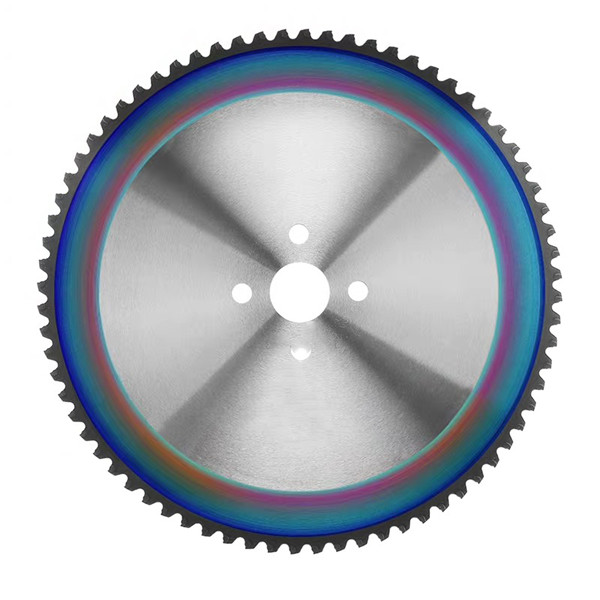
PVD Coated Carbide Saw Blade for Flying Cold Saw Cut-Off
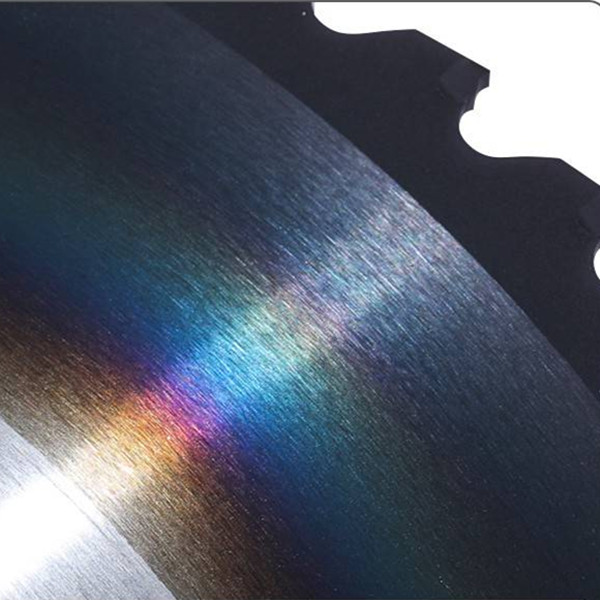
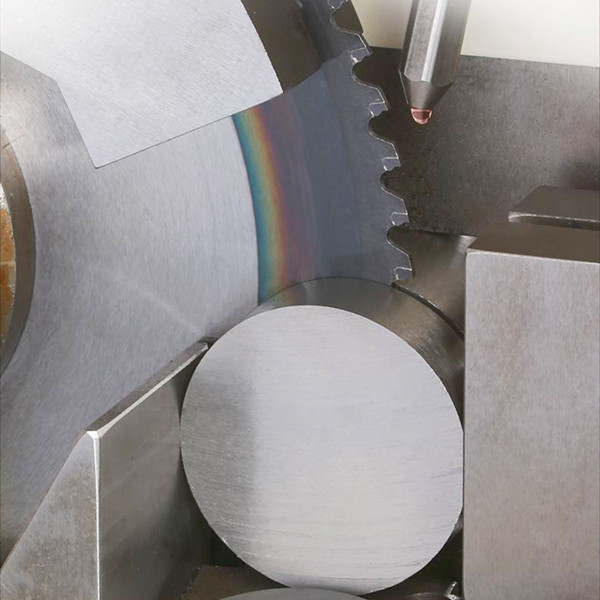
PVD coated carbide circular saw blade for flying cut-off machines cutting heavy steel and tube, with shock-resistant teeth ground to the section being cut.
Specifications
- Type
- Flying cold saw cut-off blade
- Grade
- Professional saw blade
- Material
- PVD coated carbide tips on a hardened alloy steel body
- Application
- Flying cut-off of steel tube, pipe and heavy steel section
- Coating
- PVD for heat resistance and abrasion resistance
- Body
- Strong saw body shoulders supporting each tooth
- Tooth Geometry
- Cut-off geometry ground to the section being cut
- Running Speed
- Low speed, low noise operation
- Customization
- Diameter, thickness, bore and tooth count produced to machine requirements
A flying cut-off saw cuts the tube while it is still moving on the mill line. The blade travels with the workpiece, makes the cut in a fraction of a second and returns, and the line never stops. That duty cycle is what separates this blade from a normal cold saw blade: it is not the total number of cuts that wears it out, it is the impact at every entry and the thermal shock of cutting a hot section.
This blade is built for that duty. It carries PVD coated carbide teeth on a hardened steel body, with a cut-off tooth geometry ground to the section being cut and heavy body shoulders behind each tooth.
Why the teeth are PVD coated carbide
A flying saw tooth meets the workpiece at speed and leaves it almost immediately. The edge has to survive that impact without chipping, and it has to survive the heat generated in a cut that is over in a fraction of a second. PVD coating on a shock-resistant carbide grade raises heat resistance and abrasion resistance at the same time, which is why the tooth keeps its shape far longer than an uncoated tip.
Body stiffness is half the cut
The cutting force in a flying cut-off is high and brief, and it is applied to a blade that is travelling. If the body flexes, the tooth takes the load at the wrong angle, and that is where chipping and fracture start. The strong shoulders behind each tooth seat the tip against the body and keep the tooth-body combination stiff, which is what gives the blade its stability and fracture resistance under impact.
Low speed, low noise, safer when it goes wrong
A flying cut-off blade runs at low spindle speed. That reduces noise on the line substantially compared with a high-speed friction saw, and it means the blade is far less violent if it ever jams or breaks in the cut - the energy in a slow-turning disc is much lower than in a high-speed one.
One pass instead of three operations
A correctly specified flying cut-off blade produces a cut that is square and clean enough to go straight to the next process. That removes the re-cutting and deburring stations that a friction saw or a poor cut makes necessary, and on a mill line that saving is usually worth more than the price difference between blades.
How to specify the blade
For a flying cut-off, the machine defines the diameter, thickness and bore, and the mill line defines the tooth count: the wall thickness of the tube, the cutting speed of the line and the temperature of the section all affect the choice. Send the machine make and model, the tube size range and the line speed, and we will confirm the blade specification.
A flying saw has one chance per cut - the blade either takes the impact or it does not.
ZhongJian Tech manufactures TCT, PCD and HSS circular saw blades for metal and panel cutting in Futian Town, Anyuan District, Pingxiang City, Jiangxi Province, China. Send the material you cut, the machine make and model, and the blade size you run now, and we will confirm the specification and quotation. Email ferrytk803@gmail.com, phone / WhatsApp +86 13617995900.
Frequently asked questions
What do I check before ordering?
Match three things against the machine: the outer diameter against the saw’s capacity, the bore and pin holes against the spindle, and the tooth geometry against the section being cut. The bore is easy to measure; the pin holes are where machines of the same brand often differ. Where the arbor differs, the same tooth geometry is built to your spindle rather than you adapting the machine.
Which materials does it cut?
Flying cut-off of steel tube, pipe and heavy steel section. Stay inside that range: a blade run in harder or more abrasive material than it was ground for loses its edge quickly, and the cut quality drops before the edge visibly fails.
What should I quote when I inquire?
PVD Coated Carbide Saw Blade for Flying Cold Saw Cut-Off — plus the quantity and the machine make and model. Those three are enough to confirm the specification, the minimum quantity for the size and the production lead time in the quotation. When replacing a worn blade, a photograph of the marking stamped on the old blade shortens the check further.