Why ZHONGJIAN TECH: An Industrial Blade Manufacturer Built for OEM Programs
See how ZHONGJIAN TECH manufactures saw blades and industrial knives for OEM programs - materials, heat treatment, grinding accuracy and export support in one factory.
Industrial blades are not a catalogue purchase. A guillotine knife that cuts labels at one printer behaves differently on another machine, and a slitter blade that runs clean on one film line may burr on the next. That is why the manufacturer behind the blade matters as much as the blade itself.
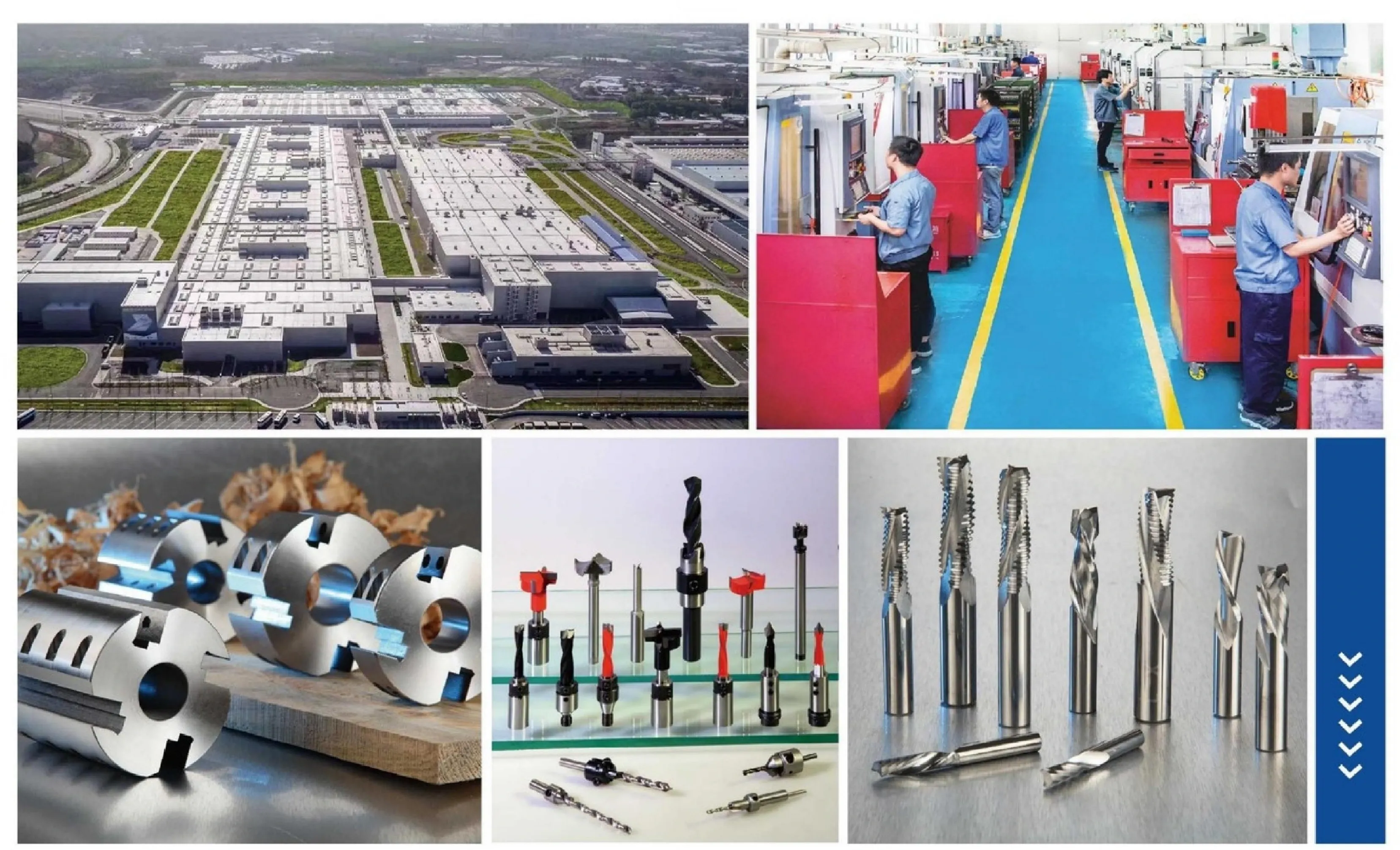
ZHONGJIAN TECH is an industrial blade manufacturer in Pingxiang, Jiangxi Province, China. We produce saw blades, slitting knives, shearing blades and food processing knives for converters, OEMs and equipment builders, and we supply them under our customers' own brands.
What we make
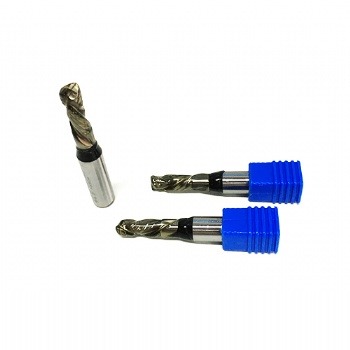
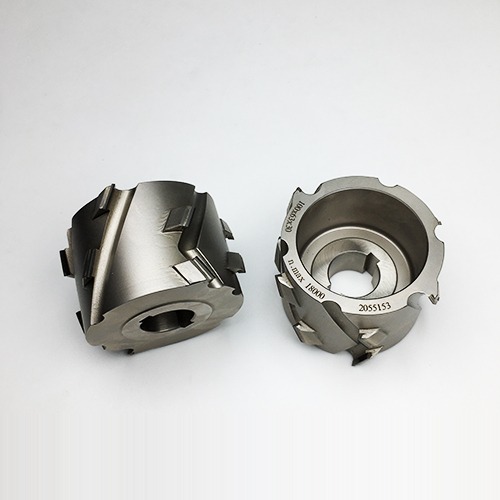
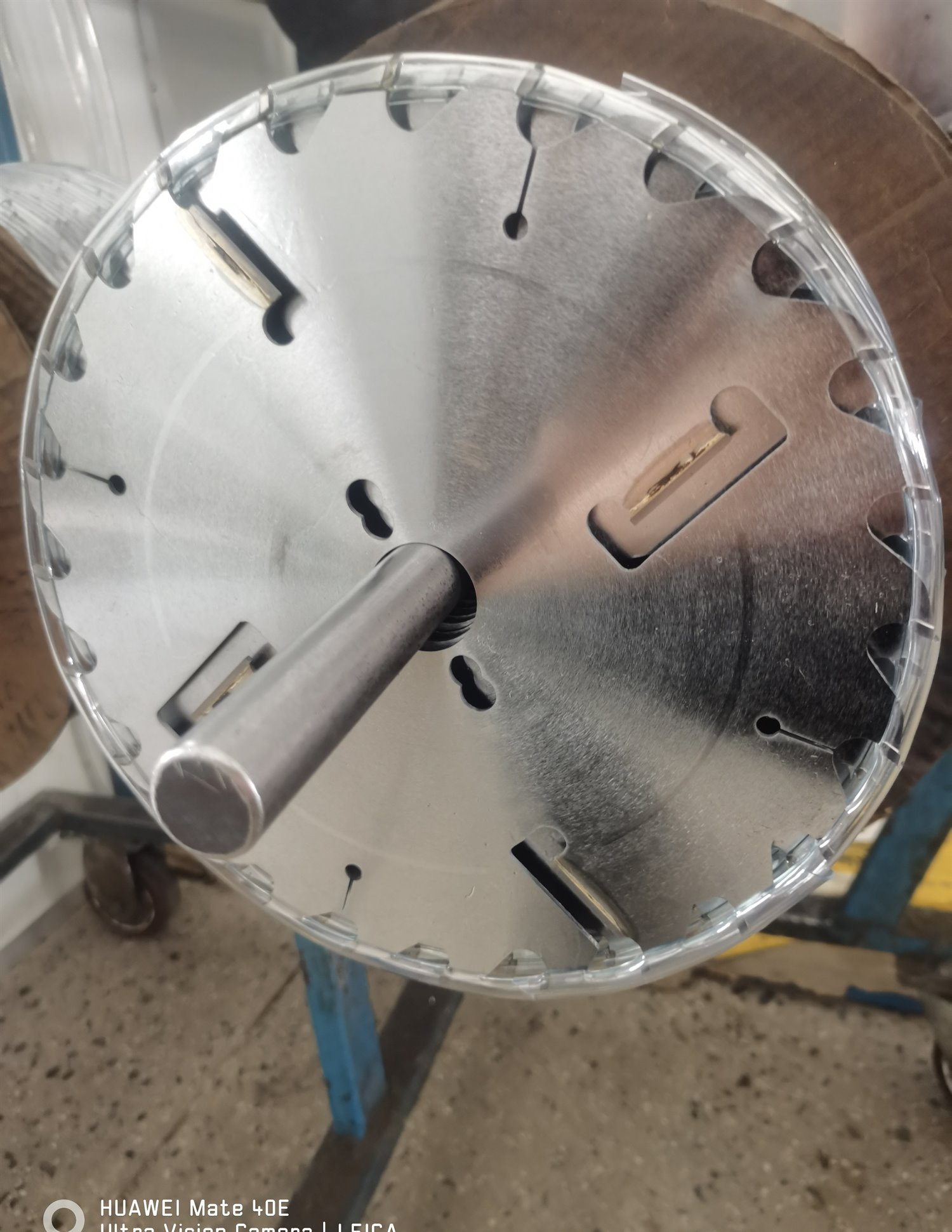
Our standard range covers circular slitter blades and bottom knives for paper and film converting, guillotine paper cutting knives in POLAR-class sizes, log saw blades for tissue converting, slotter knives for corrugated lines, metal cutting blades including rotary slitters, shear blades and scrap chopper knives, TCT and PCD circular saw blades for woodworking and aluminum, diamond segmented blades for marble, Dekton, engineered stone and concrete, and a full food processing program from poultry knives to dicer and slicer blades.
Materials we work in
Material selection is where most performance is decided, so we keep the common grades ready: D2 (DIN 1.2379) tool steel for wear resistance, M2 high-speed steel for edge retention at speed, H13 for hot and heavy-duty cutting, 9CrSi for cost-effective slitting, stainless grades 420 and 440A for food-grade applications, tungsten carbide for the most demanding precision work, and PCD for long-run panel cutting. Inlay construction - a tool steel cutting edge bonded into an alloy steel body - is our standard approach for large circular knives such as log saw and guillotine blades.
Heat treatment and grinding - the two processes you cannot see
Blade failures usually trace back to one of two invisible processes. Heat treatment decides the balance of hardness and toughness; we control quenching and tempering per material grade and record the achieved hardness for every batch. Grinding decides flatness, thickness tolerance and edge quality; precision ground blades reduce burrs, chatter and dust, which is exactly what converters measure in the finished cut. Buyers who audit suppliers should ask for hardness records and flatness tolerances - not just a sample.
OEM and ODM programs
Most of our work is custom. We produce to customer drawings and machine references, make recommendation drawings when only a worn sample exists, run first articles for approval, and support private label and custom packaging. Typical OEM workflows include blade geometry development for a new machine platform, hardness tuning for a specific material mix, and multi-year supply agreements with repeatable specification control.
How to evaluate any blade supplier
Whether you work with us or not, use the same checklist. Look for a manufacturer that asks about your application before quoting, provides material grades and hardness ranges, shows controlled heat treatment and grinding rather than outsourcing them, supplies inspection records, and communicates lead times realistically. A supplier who answers technical questions quickly at the quotation stage will be the same supplier when a problem appears in production.
If you would like to test us against that checklist, send your drawing or application details to ferrytk898@gmail.com and ask for a quotation with material and hardness recommendations included.