CNC Router Bits
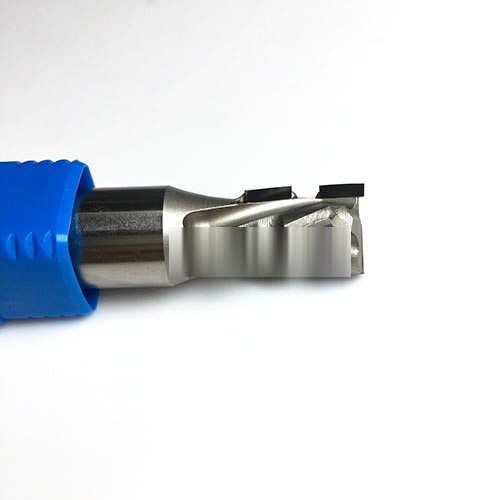
PCD Diamond Spiral Router Bits for CNC Nesting and Panel Machining
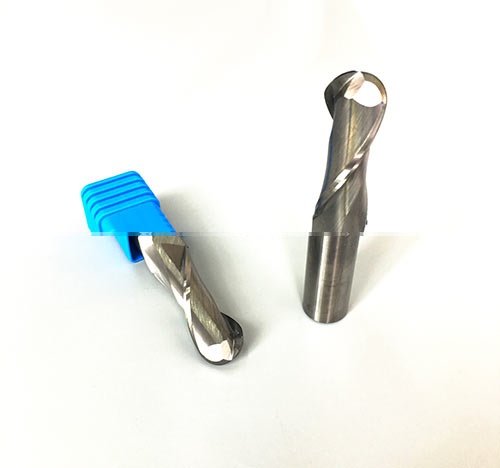
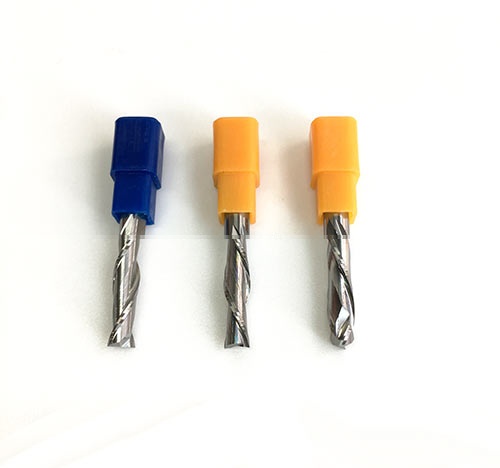
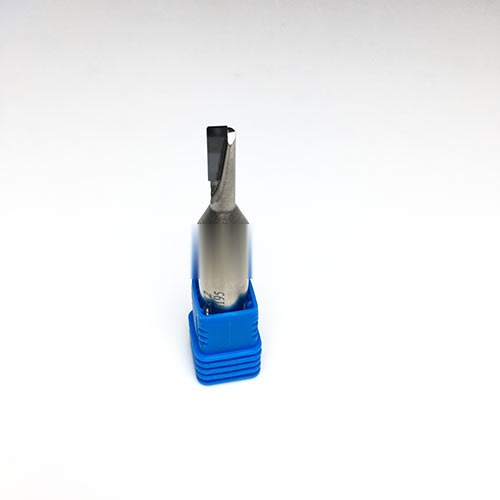
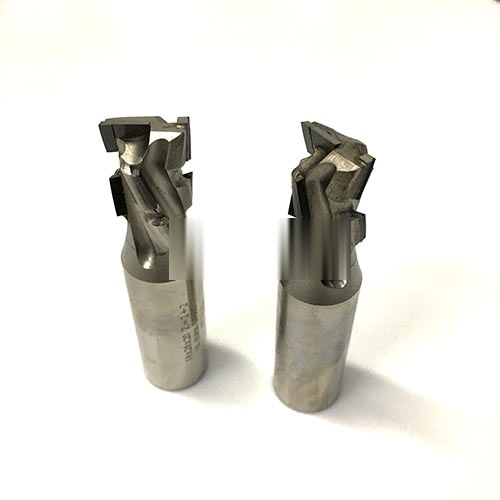
PCD spiral router bits for CNC nesting in MDF, chipboard, plywood and melamine, Z=1+1 to Z 3+3, 3.175 to 12.7 mm shanks, for high-feed panel cutting.
Specifications
- Tip Material
- PCD (polycrystalline diamond)
- Cutting Edges
- Z=1+1, Z 2+2, Z 3+3 (single, double and triple flute)
- Shank Diameter
- 3.175 mm (1/8"), 6 mm, 6.35 mm (1/4"), 12.7 mm (1/2")
- Cutting Diameter
- 3 mm to 20 mm
- Cutting Length
- 12 mm to 60 mm
- Helix
- Up-cut, down-cut and compression
- Materials
- MDF, chipboard, plywood, HPL, melamine, acrylic, solid wood, aluminium composite
- Machine
- CNC router, nesting router, machining centre
- Coating
- Polished PCD tips, hardened steel body
A nesting router bit runs continuously through engineered board at feed rates of 10 to 25 metres per minute, hour after hour. Tungsten carbide survives that for a while; PCD survives it for months. On a production nesting cell the difference is measured in bit changes per week, not per shift.
These are PCD spiral router bits in Z=1+1, Z 2+2 and Z 3+3 configurations, with shanks from 3.175 mm to 12.7 mm, for CNC nesting, slot mortising, cut-out and drilling in MDF, chipboard, plywood, melamine and HPL-faced panels.
What the Z numbers mean
The Z value is the number of cutting edges. Z=1+1 is a single flute with one cutting edge — it clears chips best and suits soft or gummy material and small diameters. Z 2+2 is two edges: a balance between chip clearance and surface finish, and the most common choice for nesting MDF and chipboard. Z=3+3 is three edges, used for high feed rates where the finish matters and the chip load per tooth is low.
On a PCD bit the edges are separated by a polished flute, and the "1+1" or "2+2" notation reflects that each flute carries one cutting edge on each side of the helix.
Up-cut, down-cut and compression
An up-cut spiral pulls chips upward and can lift the top face of a veneered or melamine panel, leaving a slight fuzz. A down-cut spiral pushes downward and protects the top face but can lift the bottom. A compression bit combines both in one tool: down-cut at the tip, up-cut above, so both faces of the panel are cut cleanly in one pass.
For nesting double-sided melamine the compression bit is the correct choice. For MDF with no visible face, up-cut gives better chip evacuation.
Matching the bit to the machine and the board
Shank diameter has to match the collet you actually run: 3.175 mm (1/8 inch), 6 mm, 6.35 mm (1/4 inch) or 12.7 mm (1/2 inch). Cutting diameter and cutting length then follow the panel thickness and the cut geometry — a compression bit needs a cutting length longer than the material so the up-cut section clears the top face, and a slot mortising bit needs a length that reaches the full depth in one pass.
Feed rate and spindle speed are set from chip load: too high a feed per tooth overloads the edge, too low rubs and burns. PCD tolerates higher surface speeds than carbide, which is where the productivity gain comes from.
PCD versus solid carbide
Solid carbide bits are cheaper per piece and give a very fine finish on short runs, small batches and mixed materials. PCD costs several times more but holds an edge long enough that the cost per linear metre is lower in production — especially in abrasive MDF and in board with high mineral filler content.
The practical rule for a nesting shop: solid carbide for prototypes, one-off jobs and materials with nails or grit; PCD for the production cell that runs the same board all week.
On a nesting router, buy the bit for the metres you cut, not for the price on the invoice.
ZhongJian Tech manufactures PCD diamond and TCT carbide cutting tools for panel furniture, edgebanding and CNC machining, from our factory in Futian Town, Anyuan District, Pingxiang City, Jiangxi Province, China. Send your machine brand and model, board material, and the part number you are replacing, and we will confirm the specification and quotation. Email ferrytk803@gmail.com, phone / WhatsApp +86 13617995900.
Frequently asked questions
Which collet do I need for this bit?
The shanks available on this tool are 3.175 mm (1/8"), 6 mm, 6.35 mm (1/4"), 12.7 mm (1/2"). Use the largest shank the collet accepts: at the same overhang a small shank deflects more, and deflection is what shows up as chatter, a poor wall finish and a shortened edge life. Keep the bit as short in the collet as the job allows.
What does Z=1+1, Z 2+2, Z 3+3 (single, double and triple flute) change in the cut?
Flute count sets how much chip room the bit has and how many edges are cutting at once. More flutes give a finer finish with less clearance for the chip; fewer flutes clear chips better and suit softer or gummier material and smaller diameters. This tool is Up-cut, down-cut and compression.
Which materials does this geometry suit?
It is intended for mDF, chipboard, plywood, HPL, melamine, acrylic, solid wood, aluminium composite. Compression geometry is chosen when both faces of the panel stay visible: the down-cut tip protects the top face and the up-cut section protects the bottom in the same pass.
Can the diameter or cutting length be changed?
Yes. Cutting diameter, cutting length, shank and flute geometry are made to drawing. Send the material, the depth of cut and the machine, and the specification is confirmed against those rather than against the nearest stock size.