KUNLUN Saw Blades
KUNLUN PCD Saw Blade for Double-Sided Panels
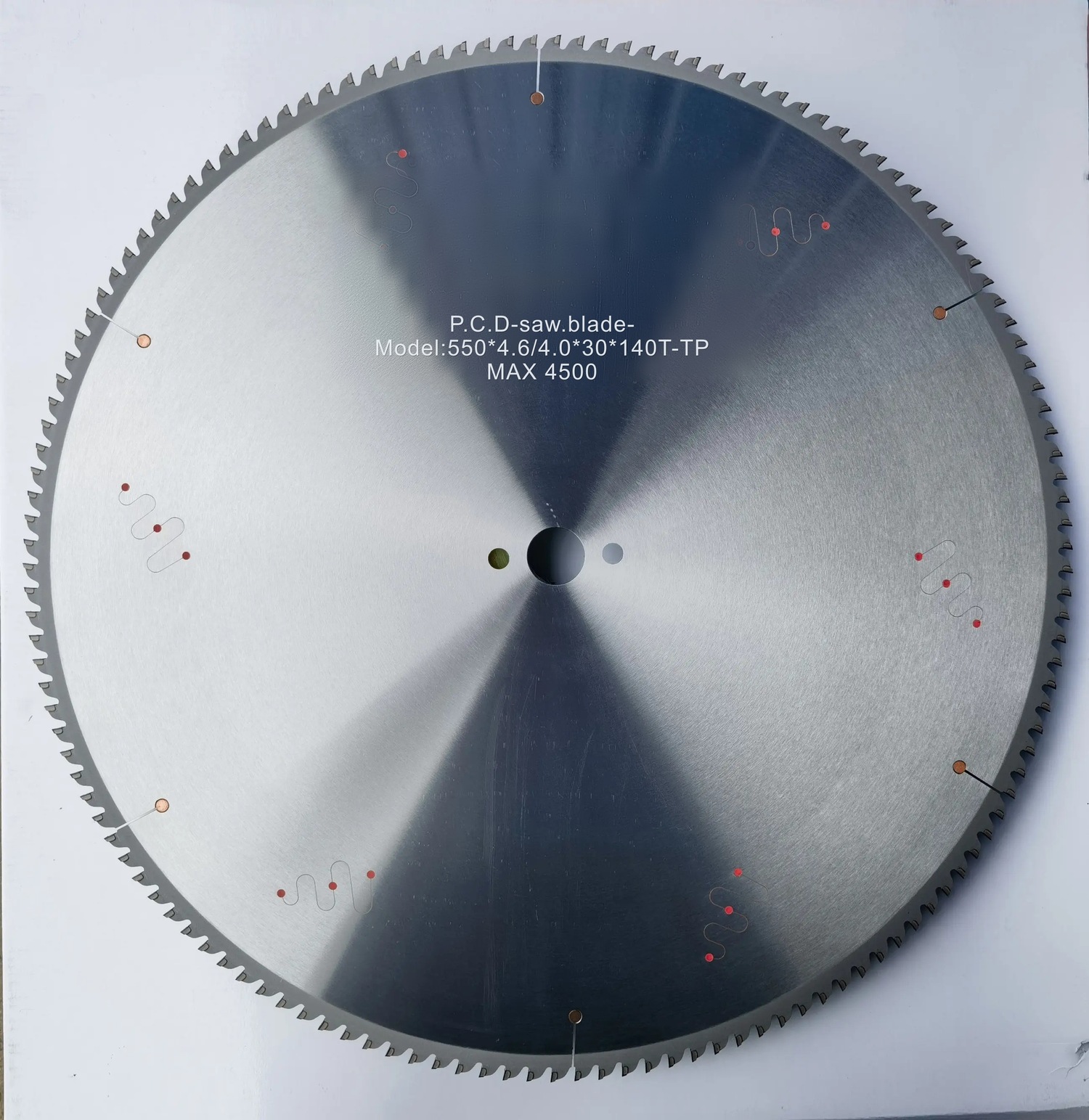
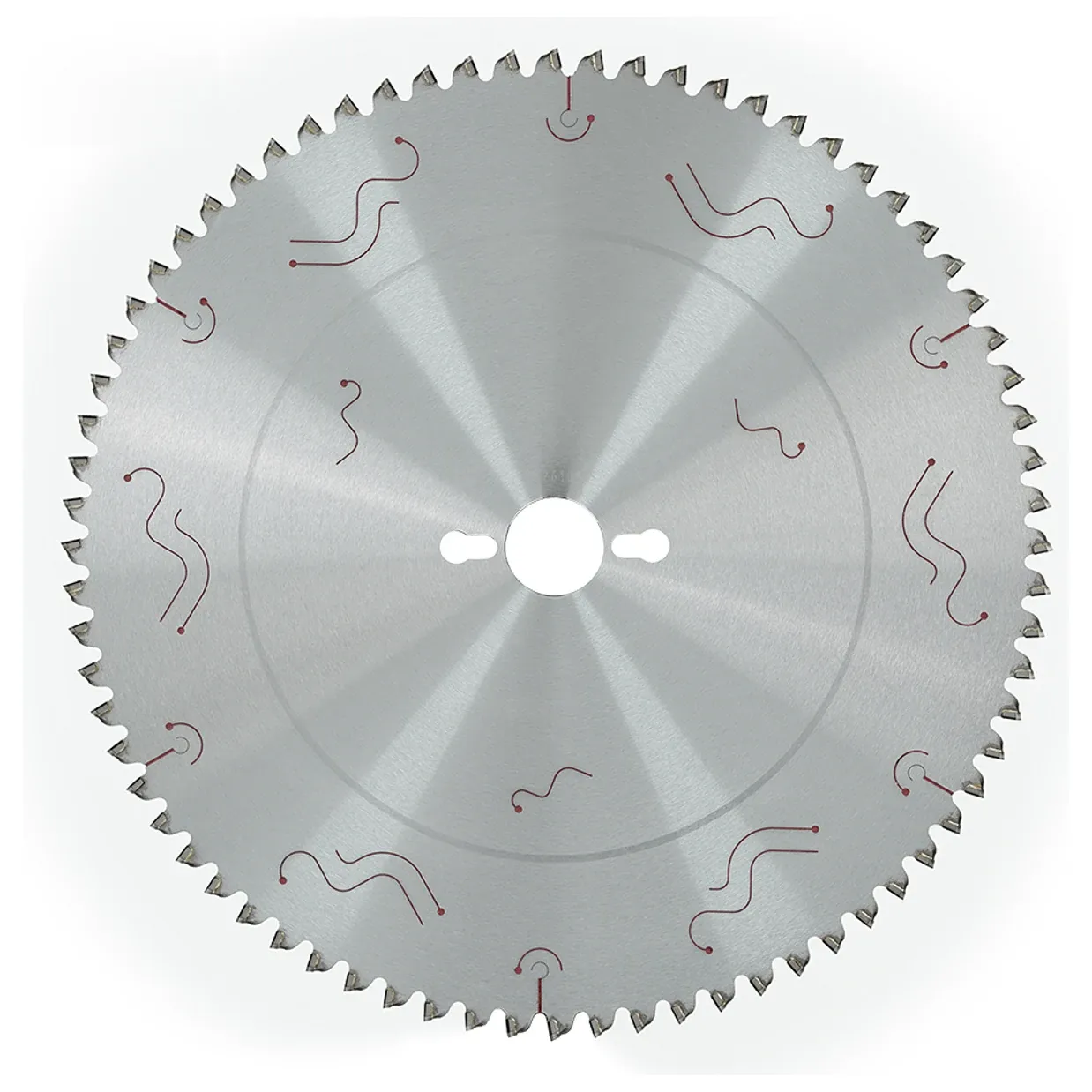
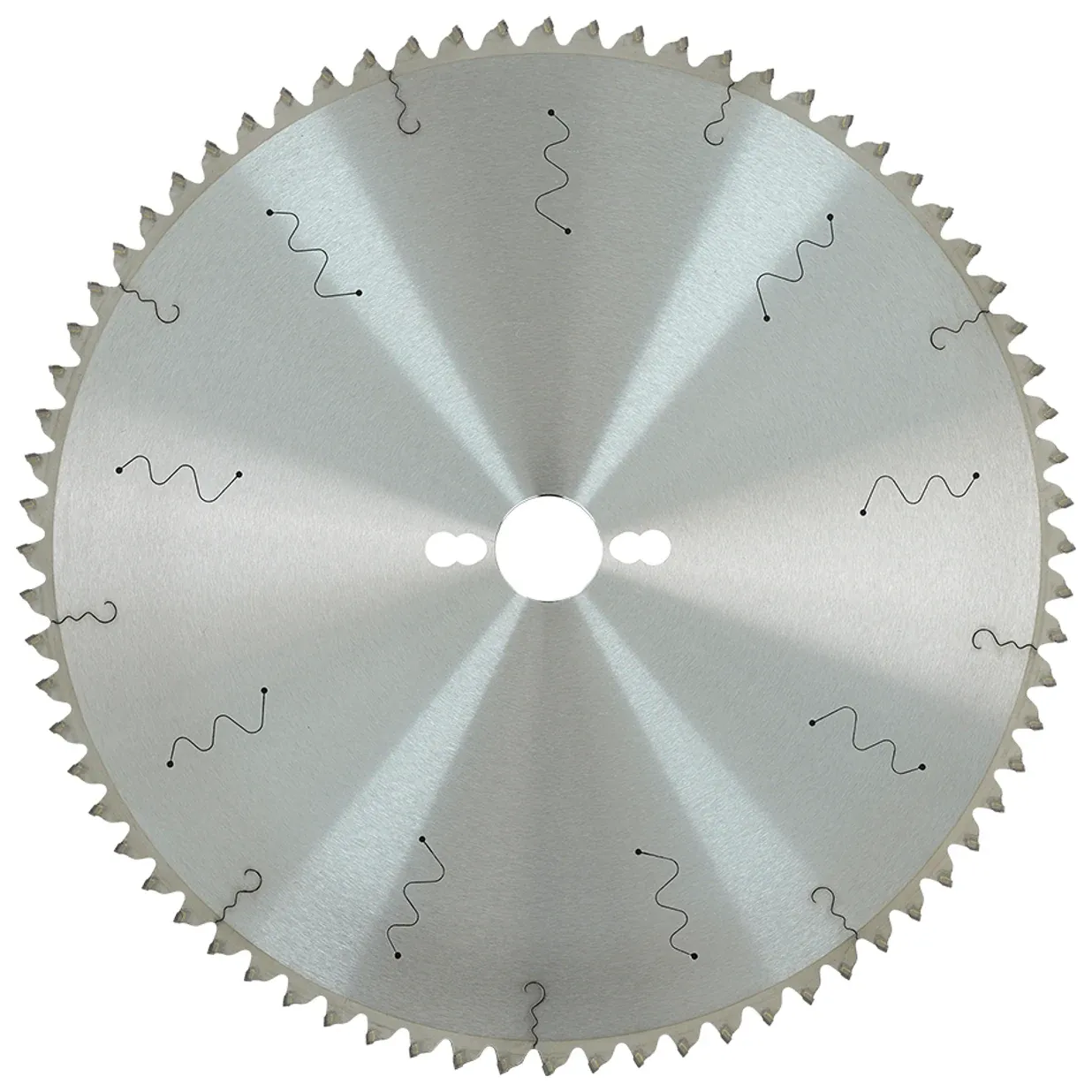
PCD saw blade with the KUNLUN large-tip profile for chip-free double-sided veneered panel, MDF, plywood, OSB and melamine board, without a scoring saw.
Specifications
- Type
- PCD circular saw blade, KUNLUN large-tip tooth profile
- Tip material
- PCD (polycrystalline diamond)
- Body material
- 75Cr1 high-strength alloy steel
- Tooth profile
- KUNLUN large-tip profile with a wide, stable tip
- Application
- Double-sided veneered panel, MDF, plywood, OSB, melamine-coated board
- Machine
- Sliding table saw, circular saw machine
- Edge result
- Chip-free top and bottom face, without an undercut or scoring saw
- Resharpening
- Large PCD tip, several regrinds possible
- Customization
- Diameter, bore, tooth count and kerf produced to machine
The KUNLUN profile takes its name from the mountain range: a large, stable tip with a broad shoulder, ground so the cutting angle spreads the load across the tip rather than concentrating it at one point. That is the whole idea, and it is why this blade can do in one pass what a scoring unit normally does in two.
Why the tip is large
A conventional setup solves edge chipping with a second, smaller blade cutting a shallow groove ahead of the main blade, so the main blade exits into that groove instead of through the panel face. The KUNLUN blade solves it in one blade: the tip geometry enters the panel so that the top face is sheared cleanly, and the tip supports the bottom face on exit. On a double-sided veneered panel that is the difference between a finished edge and a reject.
A large tip also carries more material behind the cutting edge. PCD is hard but brittle, so the material behind the tip is what lets the blade survive the shock of an interrupted cut and what allows it to be reground more than once.
Body and tip
The tip is PCD, polycrystalline diamond, brazed to a 75Cr1 high-strength steel body. The pairing is deliberate. PCD holds an edge under abrasive melamine and HPL far longer than carbide, and 75Cr1 keeps the plate stable and tensioned through a long run, so the cut stays true as the blade warms.
The blade is also ground narrow. A narrow kerf saves material on every cut and lowers the load on the machine, which matters on a sliding table saw where the operator feeds by hand.
What it replaces
The blade is built to replace a mother-daughter saw set, the panel saw plus undercut saw arrangement, on a sliding table saw or a circular saw machine. One blade, one setting, no scoring unit to align and no adjustment between panel types. For a shop running a mix of panel sizes rather than one long production run, removing that setup step is worth more than the blade costs.
If your machine has a fixed scoring unit it can stay in place, unused. Nothing has to be removed to run this blade.
Edge life
The manufacturer rates service life in this tooth class at up to fifty times a comparable carbide blade in the same duty. Treat that as a specification-sheet figure and prove it on your own material: the multiple depends on the panel, the feed rate and how the blade is handled. What is certain is the mechanism. PCD wears by micro-chipping rather than by the slow abrasive dulling that ends a carbide edge, so the gap widens with how abrasive the board is.
Applications
Double-sided veneered panel, MDF, plywood, OSB and melamine-coated board, on sliding table saws and circular saw machines. The same blade is run on cut-off saws and other woodworking equipment where those panel materials are cut.
On mineral-filled or cement-based board the abrasive load is a different order of magnitude, and a dedicated PCD blade for that duty is the better choice than a woodworking blade working outside its range.
Sizes
Diameter, bore, tooth count and kerf are confirmed against the machine and the panel before production rather than taken from a stock list. Send the saw make and model, the panel construction and the diameter you need, and the blade is built to that specification.
Ordering
Four answers are enough to quote: the saw make and model, the panel construction, the diameter and bore you need, and whether the machine currently runs a scoring unit. If you are replacing a blade, a photograph of the marking on the old one shortens the check.
Frequently asked questions
Does it really cut double-sided veneered panel without chipping?
That is what the tooth profile is for. The large tip and the ground cutting angle shear the top face and support the bottom face on exit, so both faces come out clean without a scoring blade. It depends on the blade being sharp and the feed being steady, as with any blade: a dull KUNLUN blade chips like any other.
Can it replace a mother-daughter saw set?
On a sliding table saw or a circular saw machine running the panel materials listed, yes. The blade is built to remove the undercut saw and the setup that goes with it. A scoring unit already on the machine can stay in place unused.
How many times can the PCD tip be reground?
The large-tip design allows several regrinds before the tooth geometry is used up. The exact number depends on how much material each regrind removes and how the blade was run. A blade that has been run hot or forced through the cut will need more removed at each service.
Which panels does it suit?
Double-sided veneered panel, MDF, plywood, OSB and melamine-coated board. Abrasive or mineral-filled board wears any PCD edge faster, so for cement-based material a blade specified for that duty lasts longer and cuts truer.
What do I need to send for a quotation?
The saw make and model, the panel construction, the diameter and bore, and the quantity. If you are replacing an existing blade, the marking stamped on it is the fastest way to confirm the specification.